
Dubai is one of the most active cities in the region. Between padel courts, weekend distance runs, gym programmes and five-a-side football, sports injuries are part of the picture — and the advice most people hear first is simply: “just rest it.”
Sometimes rest is exactly right. But when pain keeps returning or an injury starts to change the way you move, rest alone can quietly turn a small problem into a long one. Here are seven signs it is time to see a sports physio in Dubai rather than waiting it out.
Why “just rest” often delays recovery
Rest settles symptoms, but it rarely fixes the cause. Pain often eases while you rest simply because you have stopped loading the injured tissue — not because it has healed. The moment you return to the same training, the same pain usually returns with it.
This flare–rest–flare cycle can repeat for weeks or months. A sports physiotherapist’s job is to break that cycle: find out why the injury happened in the first place, treat the irritated tissue, and rebuild your strength and movement so you can return to sport with a plan instead of a gamble.
Seven signs you should book a sports physio assessment
1. The pain returns as soon as you resume training
If pain settles during a few days off but comes back on your first run, match or gym session, the underlying problem was never resolved. That pattern — relief with rest, pain with load — is one of the clearest indicators that the tissue needs proper rehabilitation, not more time off.
2. Swelling or deep stiffness lasts more than 48–72 hours
Mild swelling after a knock is normal and usually settles within a couple of days. Swelling, warmth or deep joint stiffness that persists beyond 72 hours suggests something more significant — a ligament, cartilage or joint problem that should be assessed before you train on it again.
3. You have lost range of motion or strength compared to the other side
Your body is symmetrical enough that comparing sides is a useful test. If one ankle cannot flex as far, or one knee or shoulder is visibly weaker or stiffer than the other, the deficit matters. Left unaddressed, the rest of your body compensates — often creating a second injury elsewhere.
4. Your technique or gait has changed
Limping, rolling onto the outside of your foot, favouring one side in the gym, or a serve or swing that no longer feels right are all signs your body is avoiding load. Compensation patterns feel harmless at first, but they change how force travels through your joints and frequently cause the next injury.
5. The same spot keeps getting injured
A recurrent groin strain, a knee that flares up every padel season, or a calf that “goes” a few weeks into every training block is not bad luck. Recurrence almost always means the original rehabilitation was incomplete. Treating the reason it keeps happening is exactly what sports physiotherapy is for.
6. You have an event or season date approaching
Training for the Dubai Marathon, a padel league or a fitness challenge with a fixed date? An injury this close to an event is a reason to speed up your assessment, not postpone it. Early diagnosis protects your preparation window — waiting until two weeks out usually leaves no time to fix anything.
7. The pain has lingered beyond two weeks
Most simple muscle soreness resolves within one to two weeks. Pain that persists longer, keeps you awake at night, or steadily worsens deserves a professional assessment. Early treatment is consistently faster, simpler and cheaper than late treatment of the same injury.
What a sports physiotherapist actually does
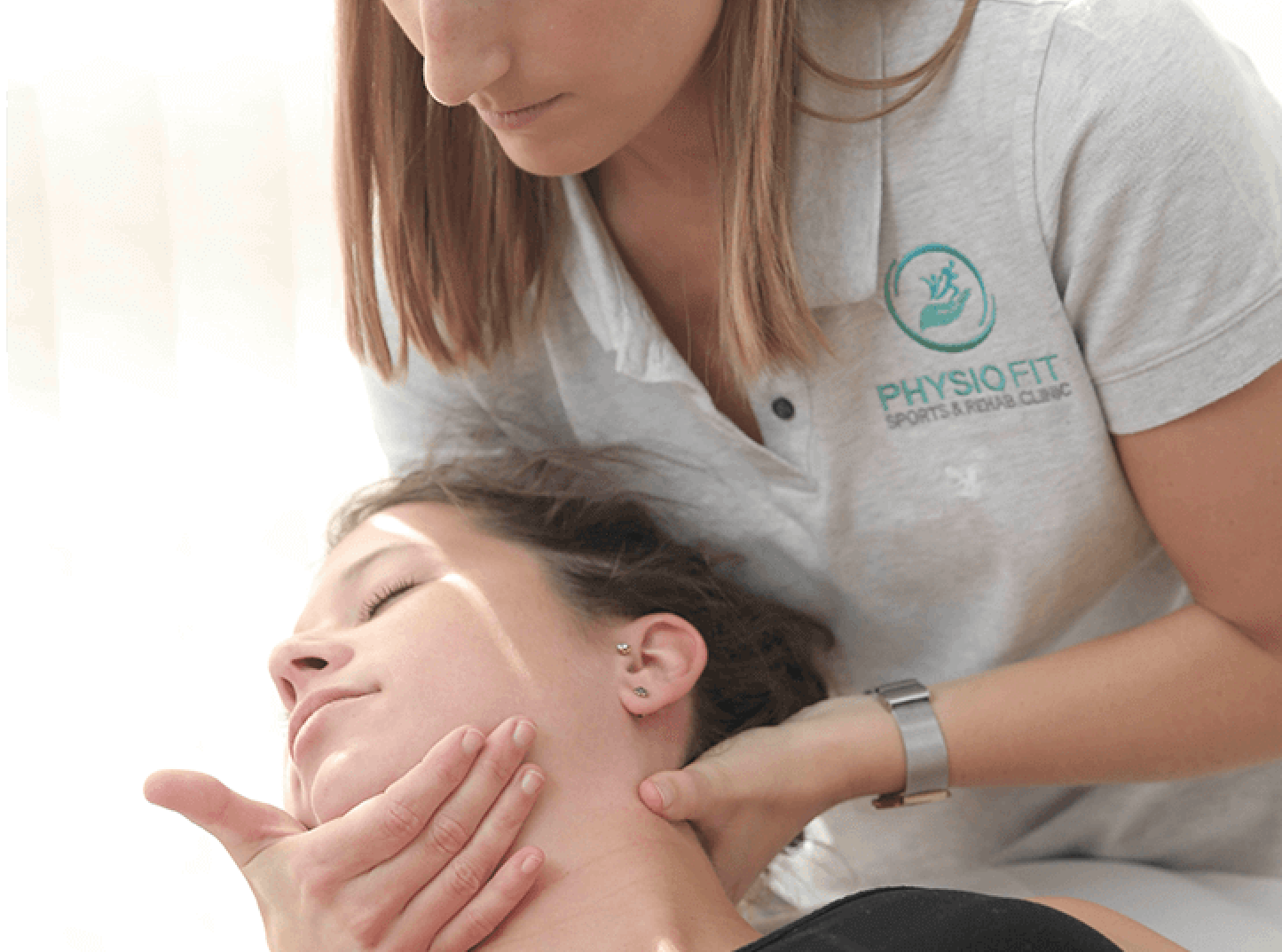
A sports physio assessment is more than looking at the sore spot. At PhysioFit, your physiotherapist will screen how you move, test joint range and muscle strength, and identify the training errors or biomechanical factors that caused the injury. Treatment may include hands-on therapy, a progressive loading programme, and adjuncts such as dry needling where appropriate — always aimed at returning you to your sport, not just settling symptoms.
Sports injuries we commonly treat in Dubai
Our team regularly treats padel and racket-sport injuries — from padel elbow and Achilles problems to knee and calf strains — along with running injuries, muscle tears, shoulder problems and post-surgical rehabilitation. Whatever the sport, the goal is the same: an accurate diagnosis, a clear recovery plan and a safe return to full training.
What happens at your first appointment
Your first session includes a full assessment, a clear explanation of what is wrong, and usually treatment in the same visit. You will leave with a realistic timeline, a home programme, and a plan for how to modify your training in the meantime — so you know exactly what to do next.
If any of the seven signs above sound familiar, do not wait for it to become a bigger problem. Book a sports physiotherapy assessment at our Business Bay clinic and let our team get you back to the sport you enjoy — safely and with a plan.