
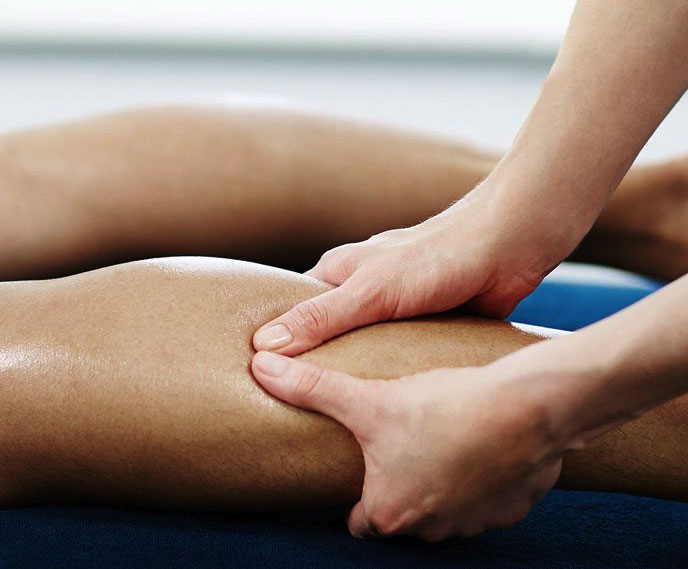
Should you book a sports massage when a muscle hurts, or could it be the wrong next step? If you are searching for sports massage in Dubai, start with the symptoms rather than the treatment. Unexplained one-sided leg swelling, a fresh injury with significant bruising, or pain accompanied by fever needs assessment, not an attempt to work the discomfort out with deep pressure.
This guide explains when to postpone a massage, when to seek medical help and what to share before treatment. It is general information, not a diagnosis or a substitute for an individual assessment.
When is sports massage not the right first step?
Massage involves working on the body’s soft tissues. It may help some people manage symptoms, but it cannot establish why a calf has swollen or rule out a broken bone. The US National Center for Complementary and Integrative Health advises against using massage to postpone medical care. It also notes rare reports of serious harm, including nerve injury, blood clots and fractures; some involved vigorous massage or people at increased risk.
That does not mean everyone should avoid massage. It means the decision should depend on your symptoms, health and assessment, rather than how much pressure you can tolerate.
Warning signs that need medical care, not massage
New pain and swelling in one leg
New, unexplained pain and swelling affecting one calf or thigh, especially with skin discolouration, can be symptoms of deep vein thrombosis (DVT). Do not assume the problem is a tight muscle or try to massage it away. Seek urgent medical assessment if you suspect a clot.
Recent surgery, a hospital stay and a journey lasting more than four hours can increase DVT risk, although a clot can also occur without an obvious reason. These circumstances are worth mentioning when seeking care.
If leg pain and swelling occur with breathlessness or chest pain, seek emergency medical help immediately. A clot travelling to the lungs can be life-threatening. Do not wait for a clinic or massage appointment.
A significant injury or possible fracture
After an injury, severe or worsening pain, extensive swelling or an inability to bear weight needs urgent assessment. A limb that looks deformed, becomes numb or develops cold, blue or grey skin needs emergency care. Deep pressure is not a way to test whether the injury is serious.
Why a fresh sprain or strain needs a pause
If you have just rolled an ankle during padel or felt sudden pain while sprinting, postpone massage over the injured area. NHS guidance recommends avoiding massage for the first couple of days after a sprain or strain to help prevent swelling.
That initial precaution is not an automatic clearance for deep massage on day three. Ongoing swelling, bruising, weakness or difficulty using the area should guide the next assessment. Avoid repeatedly pressing or stretching the painful spot to see whether it has improved.
For an injury that is not settling, a sports physiotherapy assessment in Dubai is a more appropriate starting point than booking a recovery massage without discussing the symptoms.
What should you disclose before treatment?
Give the therapist a clear picture of your health, not just the location of the tightness. Before your appointment, write down:
- When the symptoms started and whether there was a specific injury.
- Any swelling, bruising, skin changes or difficulty walking or moving.
- Recent surgery, hospital treatment or prolonged travel.
- Your medical conditions and current medicines, including blood-thinning medication.
- Any pregnancy, recent illness or instructions from your treating clinician.
These details do not all mean massage is prohibited. They give the practitioner information needed to decide whether to proceed, adapt treatment or recommend medical advice. Do not change prescribed medicines to make a massage appointment possible.
If an injured area is painful and you also feel feverish, hot, cold or shivery, seek medical advice rather than treating this as ordinary post-exercise soreness.
A simple check before booking sports massage in Dubai
Ask yourself three questions: Is there an urgent warning sign? Is this a new injury rather than familiar muscle tension? Have I told the practitioner about relevant health changes?
If there are no warning signs, you can discuss whether PhysioFit’s sports massage service suits your needs. Describe the problem when booking instead of simply requesting the deepest pressure available. If the cause remains unclear, ask whether assessment should come first.
PhysioFit offers sports massage and physiotherapy at its Business Bay physiotherapy clinic. Contact the team to discuss the appropriate appointment for a non-urgent concern. For the urgent or emergency symptoms described above, seek medical care directly.
Further reading: NCCIH guidance on massage therapy, NHS information on DVT and NHS guidance on sprains and strains.