
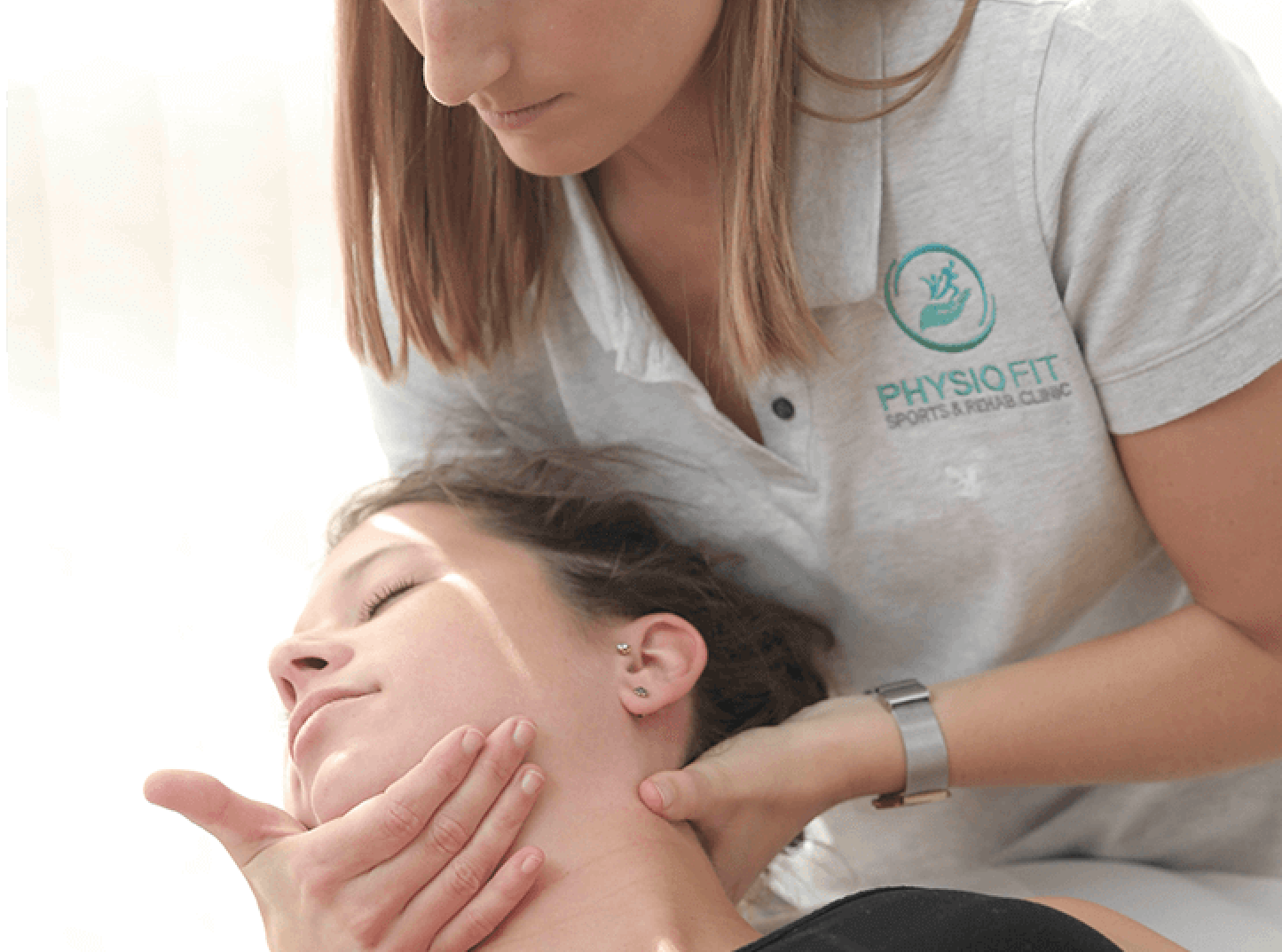
Deep tissue sports massage is often associated with firm pressure, but an effective treatment is not simply about pressing harder. It is a targeted approach designed to reduce persistent muscle tension, improve movement and support recovery from training, competition or a physically demanding routine.
For active people in Dubai, tight calves after running, stiff shoulders after padel, or lower-back tension after long hours at a desk can all affect comfort and performance. Knowing what deep tissue sports massage involves—and when it is the right choice—can help you book the most appropriate treatment.
What is deep tissue sports massage?
Deep tissue sports massage works on deeper layers of muscle and the surrounding fascia. Your therapist may use slow, controlled strokes, sustained pressure, trigger-point techniques and assisted stretching. The aim is to address specific areas of restriction rather than provide a general relaxation massage.
Sports massage is also tailored to the activity placing demand on your body. A runner may need focused work around the calves, hamstrings and hips, while a padel player may benefit from attention to the shoulders, forearms and upper back. At PhysioFit, your session starts with a short discussion about your symptoms, training load and goals so the treatment can be adapted to you.
Deep tissue massage vs sports massage: what is the difference?
The terms overlap, but they are not always identical. Deep tissue massage describes the depth and style of manual pressure used to reach tight or restricted tissue. Sports massage is broader and may include deep tissue work, lighter recovery strokes, stretching and other techniques chosen around your sport or recovery stage.
In practice, a sports massage in Dubai may use deeper pressure where appropriate, but the pressure should always have a clear purpose. More discomfort does not automatically produce a better result. Your therapist should adjust the technique if you tense up, hold your breath or feel sharp pain.
Who may benefit from deep tissue sports massage?
You do not need to be a professional athlete. Treatment may be helpful if you experience:
- Persistent tightness after gym training, running, cycling or padel
- Muscle stiffness that limits comfortable movement
- Recurring knots or trigger points in the neck, shoulders or back
- Heavy or tired legs between training sessions
- Delayed-onset muscle soreness after an increase in activity
- Desk-related tension made worse by exercise or stress
- A need for regular maintenance during a busy training schedule
Massage can be useful for muscle-related tension, but it is not the right treatment for every pain. Sudden swelling, severe pain, unexplained weakness, numbness, a suspected fracture or a recent acute injury should be assessed before deep pressure is applied. If symptoms keep returning or affect your strength and movement, a sports physiotherapy assessment can help identify the underlying cause and build a structured rehabilitation plan.
Should you book before or after exercise?
Before training or competition
A pre-event massage is normally shorter, lighter and more stimulating. The goal is to prepare the muscles without leaving them feeling heavy or tender. A very deep session immediately before an important match, race or heavy gym session may temporarily reduce comfort or power, so it is usually better scheduled several days earlier.
After training or competition
Post-event treatment may use gentler techniques soon after activity to encourage relaxation and reduce the feeling of heaviness. Deeper work can be added later, depending on how your body feels and whether there is any injury. Tell your therapist what you have done, when you next plan to train and which areas feel unusually sore.
During a normal training week
For maintenance, many people prefer to book on a rest day or before an easier training day. This gives the body time to settle after focused work. The ideal frequency depends on your activity level, recovery, symptoms and budget; there is no single schedule that suits everyone.
What should you expect during and after treatment?
Your therapist will ask about your health, recent injuries, exercise routine and the areas you want addressed. Pressure should feel strong but manageable, and you should be able to breathe normally and give feedback throughout the session.
Mild tenderness for a day or two can occur after deeper treatment, especially if the area was very tight. Drinking normally, having a gentle walk and avoiding an unusually intense workout immediately afterwards may help you feel more comfortable. Significant bruising, worsening pain or symptoms that last longer than expected are not goals of treatment and should be discussed with your therapist.
Where stubborn trigger points are part of a wider movement problem, your clinician may discuss other options, such as dry needling for muscle tension, exercise rehabilitation or joint treatment. Recommendations should be based on an assessment rather than adding techniques automatically.
How to get more value from your sports massage
- Explain exactly where you feel tension and which movements provoke it.
- Share any recent changes in training volume, footwear or technique.
- Tell your therapist about medication, medical conditions and previous injuries.
- Give honest feedback about pressure during the session.
- Follow any mobility or strengthening advice between appointments.
- Seek an assessment if the same problem repeatedly returns.
Book deep tissue sports massage in Dubai
PhysioFit Sports & Rehab Clinic in Business Bay offers personalised sports massage for athletes, active adults and people managing work-related muscle tension. Our therapists work alongside physiotherapists and a chiropractor, making it easier to move from symptom relief to a fuller assessment when needed.
If muscle tightness is affecting your training, recovery or everyday comfort, book an appointment with PhysioFit. We will listen to your goals, assess what your body needs and recommend an appropriate level of treatment—without using more pressure than necessary.